Kader Attia: Le Sacre du Printemps – On the Eve of War
The exhibition ‘Kader Attia: Le Sacre du Printemps — On the Eve of War’ was created in collaboration with the artist Kader Attia (*1970). Taking Igor Stravinsky’s famous ballet ‘Le Sacre du Printemps’ (1913) as its starting point, the exhibition takes a critical look at the connections between the historical avantgarde movements — such as Cubism, Futurism, and Expressionism — and the legacy of World War I.
- Exhibition Site Blockhaus
- Dates 05/11/2026—21/03/2027
- Opening Hours Wednesday to Friday 15—19 Saturday to Sunday 11—18 Buß- und Bettag, 18/11/2026 11—18 Christmas Eve, 24/12/2026 11—14 Christmas Day, 25/12/2026 11—18 Boxing Day, 26/12/2026 11—18 New Year's Eve, 31/12/2026 11—16 New Year, 01/01/2027 12—18
- Admission Fees normal 5 €, reduced 4 €, pupils (under 20 years) 2 €, children up to school age free
Strawinskys Werk
Stravinsky’s ballet tells the story of a fictional Slavic ritual in which a girl is sacrificed to awaken the life forces of spring. In the exhibition, the connection between the girl’s death and young soldiers who lost their lives on the front lines is expanded with the reflection on the artistic avant-gardes. The concept of the ‘avant-garde’ itself is thus also explored: a term that has its origins in the military, and extends far beyond its art-historical significance.
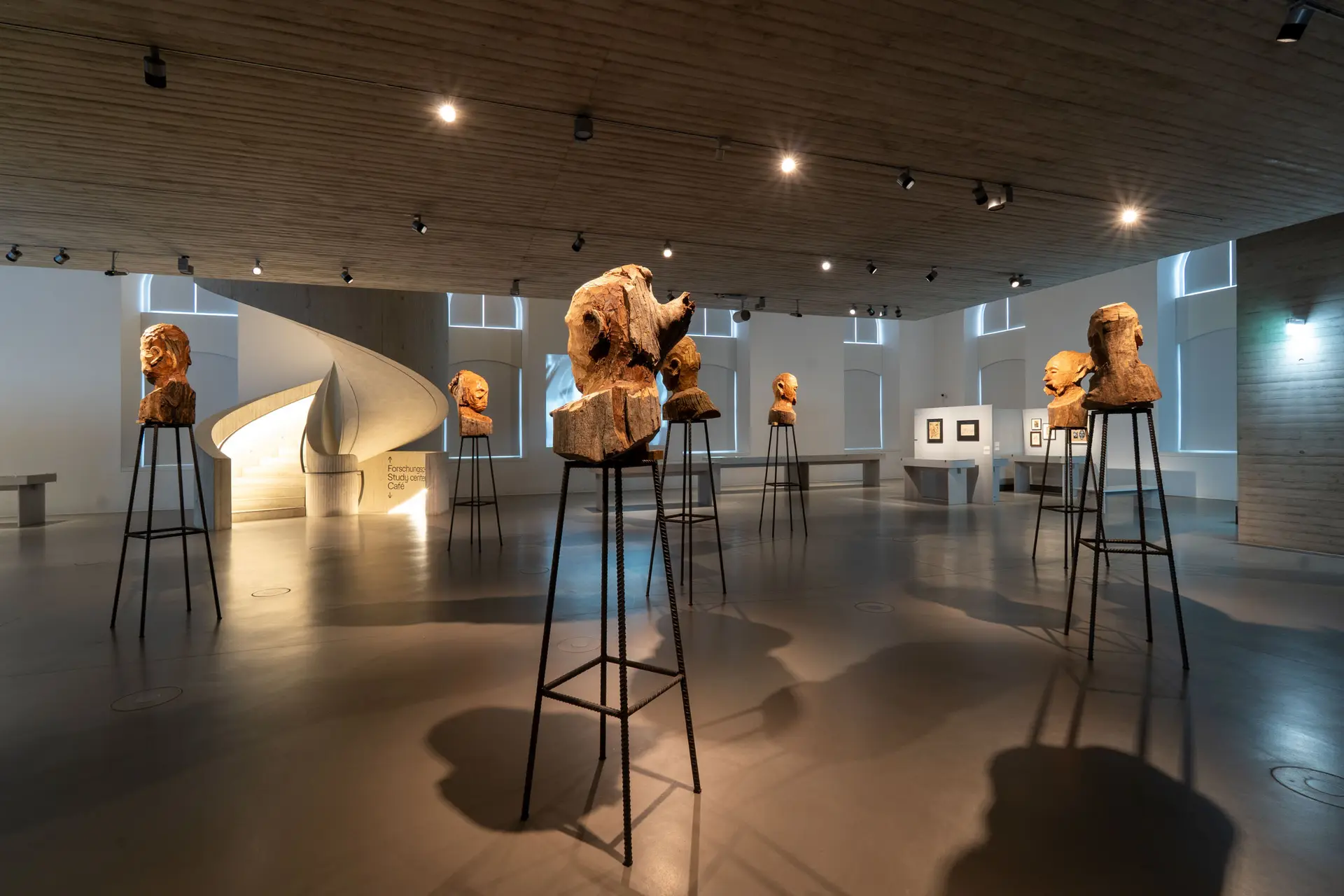
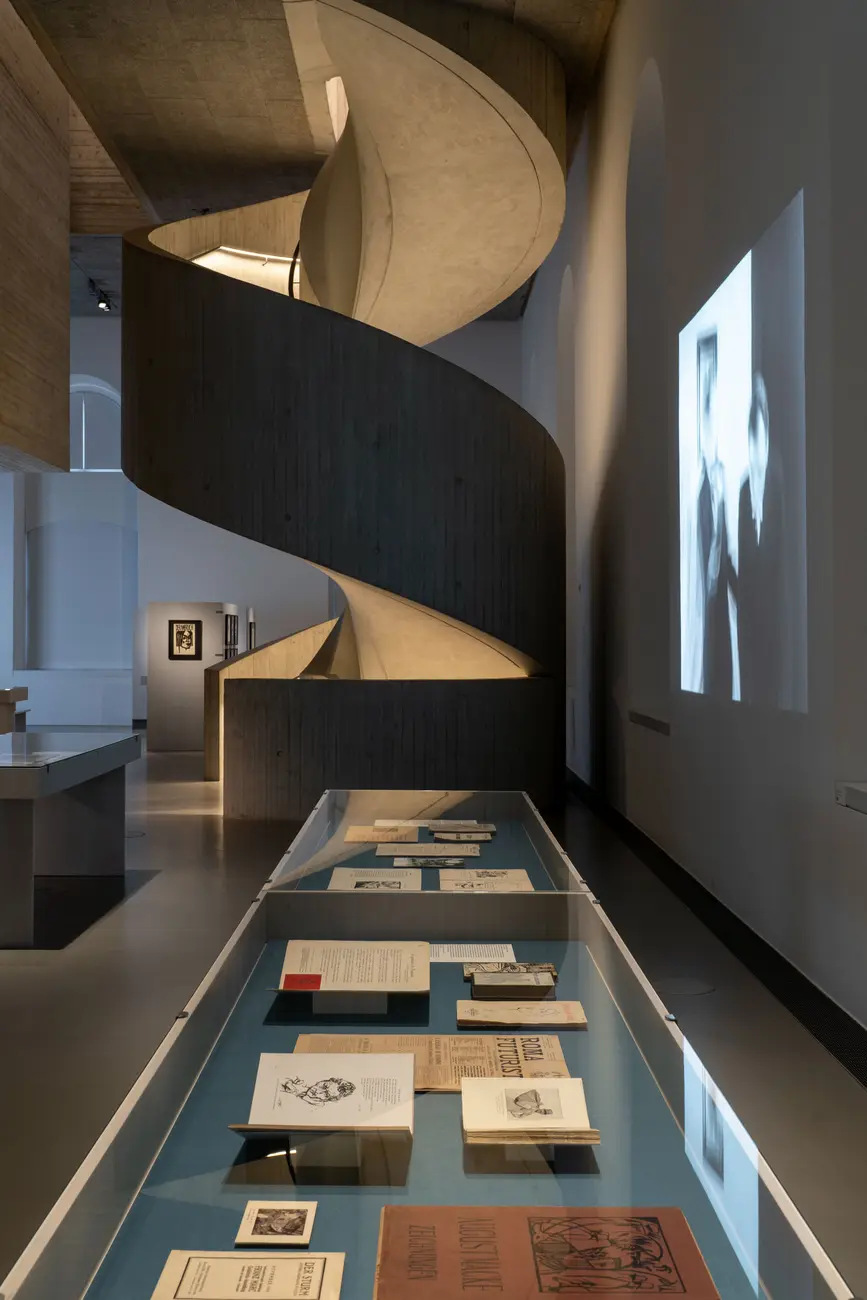
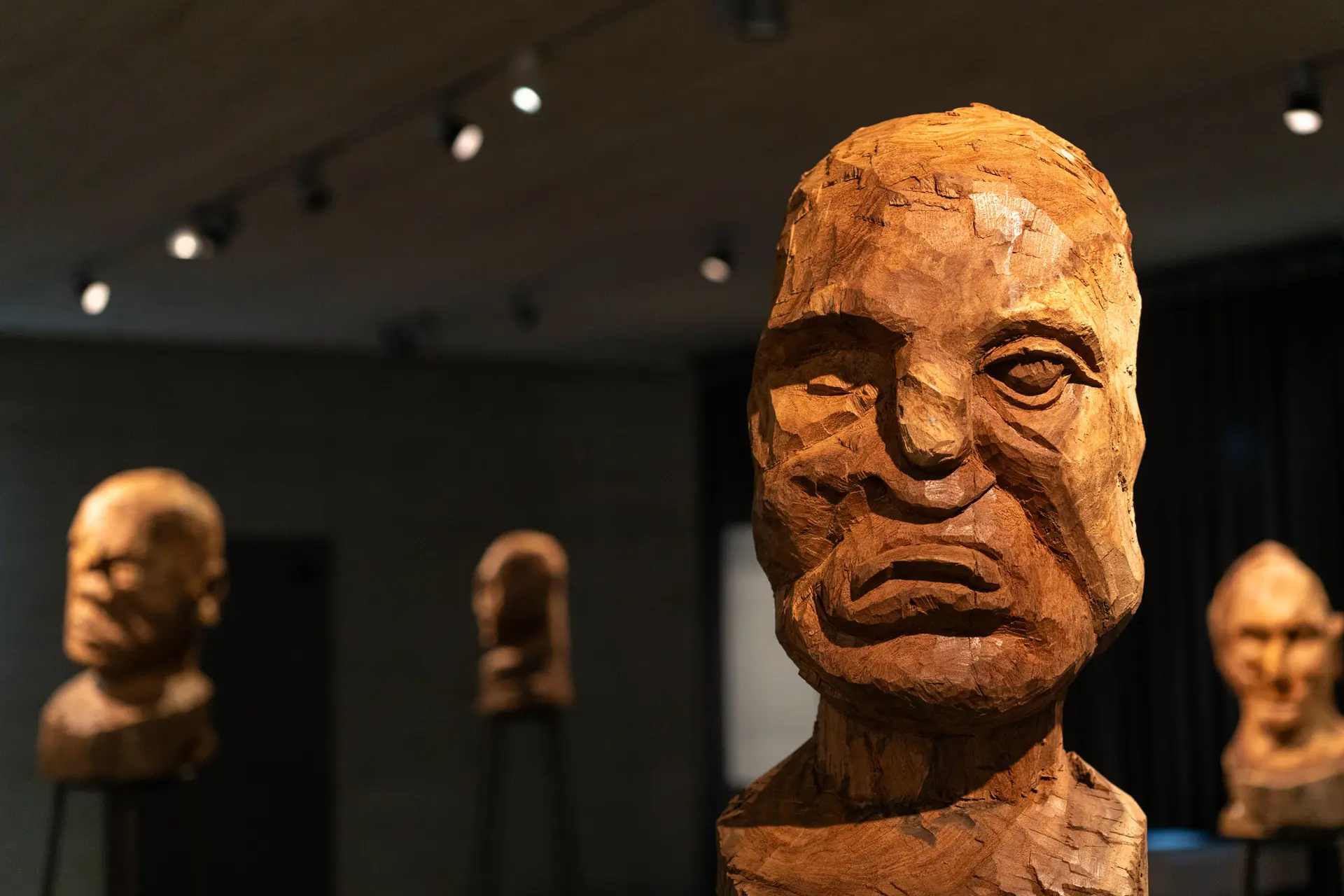
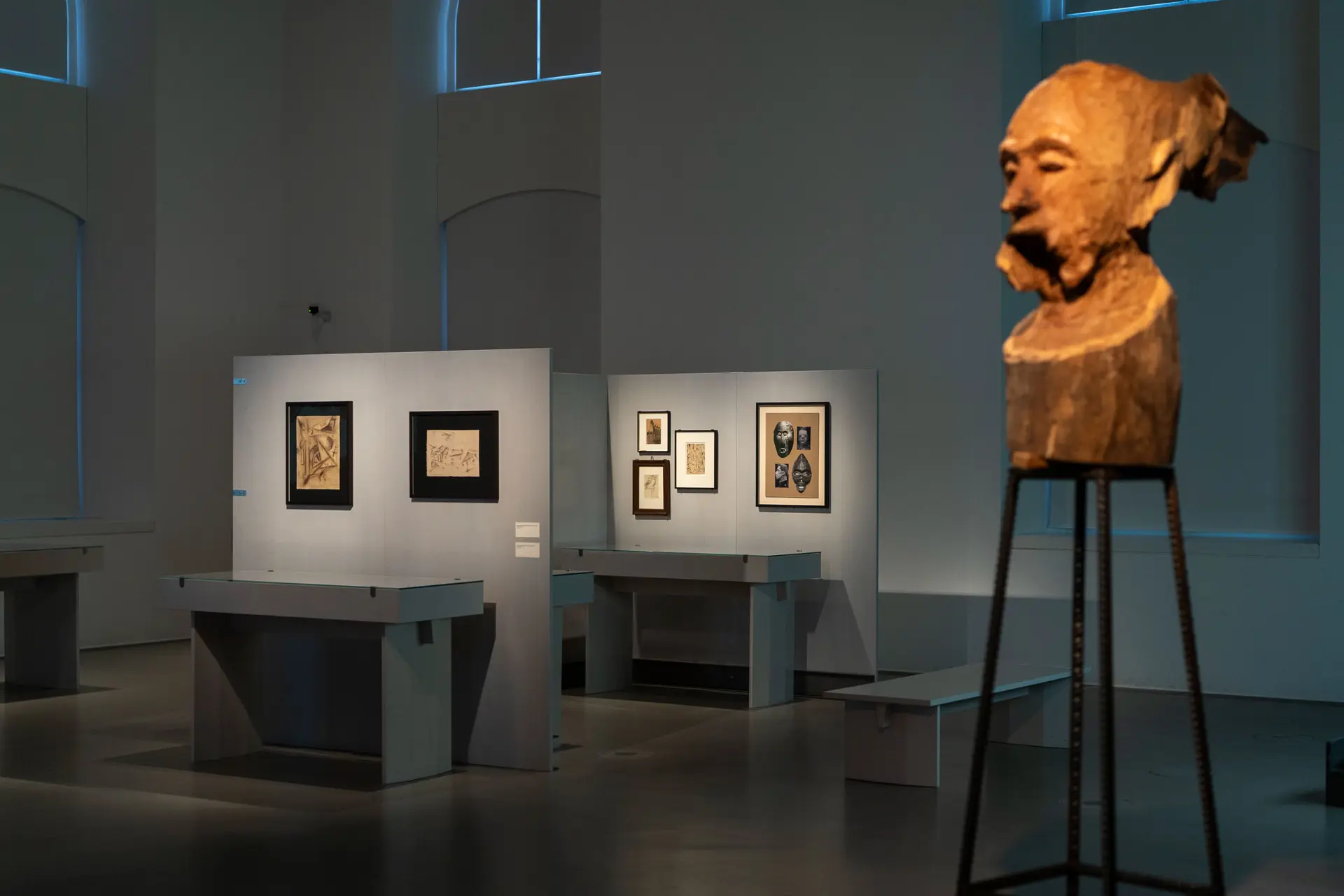
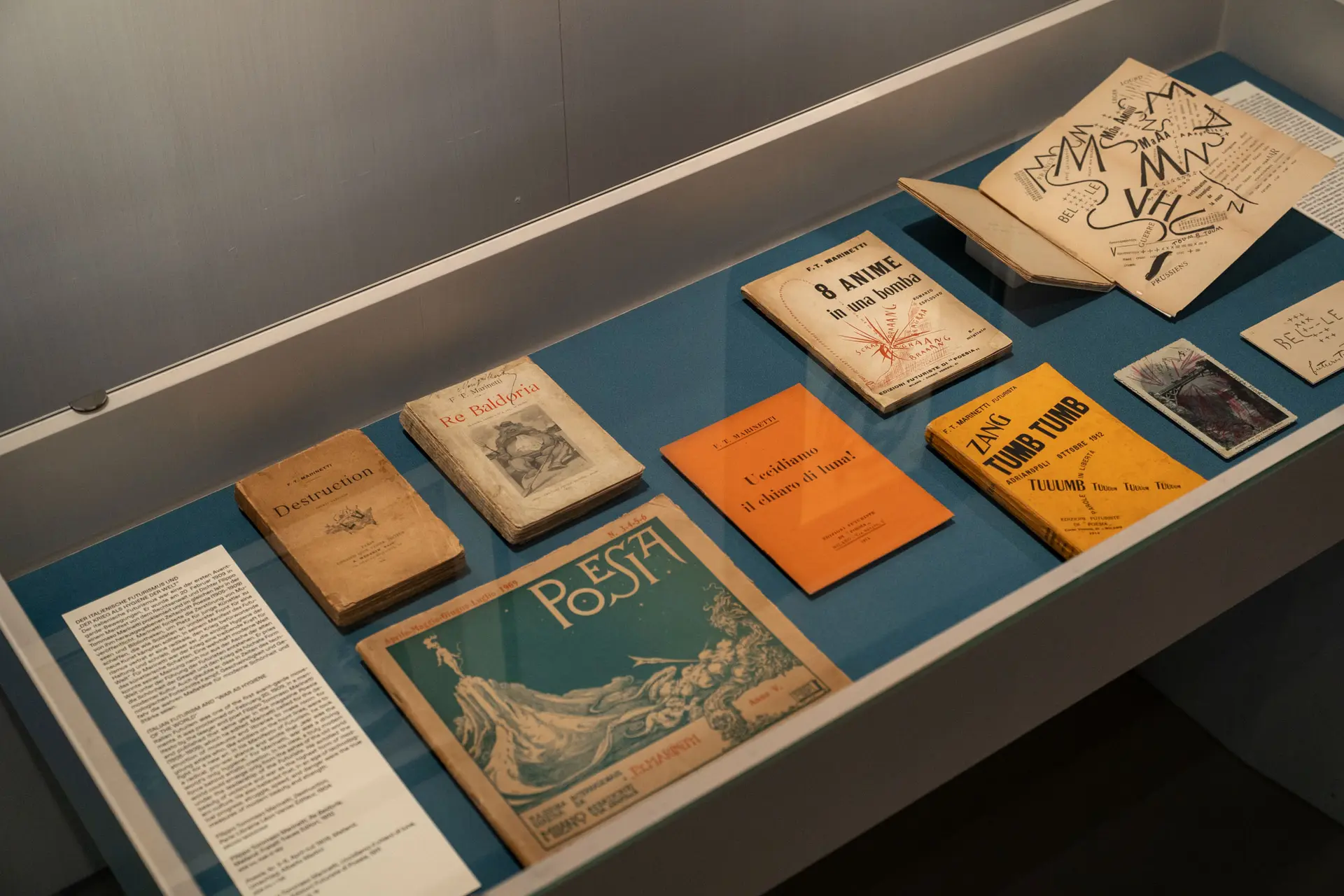
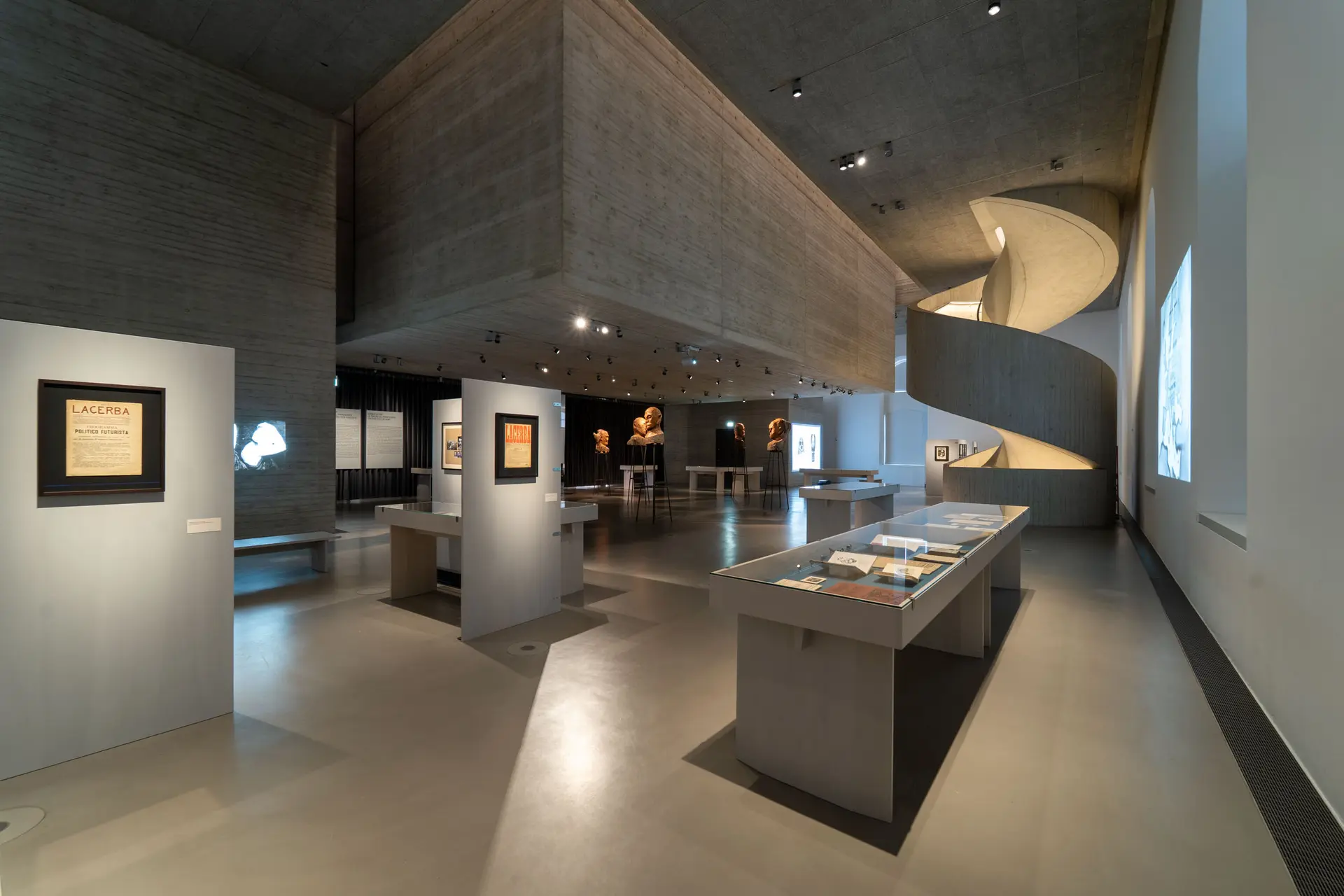
Presented at the Blockhaus — 1851 to 1918, site of the Royal Saxon Ministry of War, since 2024, permanent location of the Archiv der Avantgarden — the exhibition showcases around 120 books, prints, photographs, and magazines from the museum’s own collection, including works by Hans Arp, Umberto Boccioni, and Wassily Kandinsky. They engage in a dialogue with contemporary collages and sculptures by Kader Attia, which explore both the effects of war and the question of what societies do to heal the wounds it leaves behind.
Kader Attia
As a multidisciplinary artist, his practice is rooted in his lived experience of two cultural contexts: the Algerian and the French. He was born in 1970 in Dugny, France, and lives and works in Berlin and Paris. He also teaches as a professor of time-based media at the Hamburg University of Fine Arts (HFBK). From his position of cultural in-betweenness, he examines the geopolitical interconnections rooted in the histories of colonialism, appropriation, and cultural overlay. At the center of his work are collective traumas as well as the concept of “reparation” that he has developed as an aesthetic, political, and ethical category.
Information for visitors
The exhibition addresses the harrowing consequences of war and violence. In keeping with its artistic and historical aims, it features imagery and media content that may be disturbing. We recommend the visit of the exhibition for children 12 years and older and accompanied by an adult.
slider
Program
Sponsors
Sponsoren


in cooperation with